Travel Planning Services
- Customized itinerary creation
- Destination consultation
- Budget planning
- Route and activity suggestions
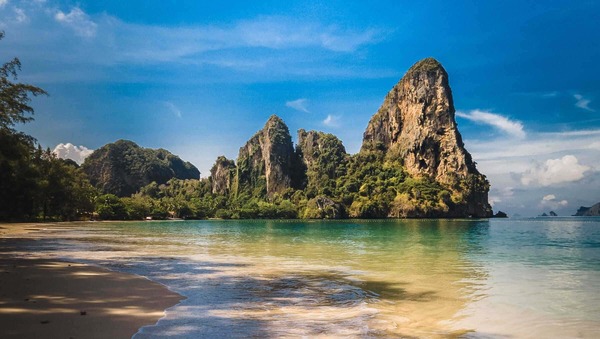
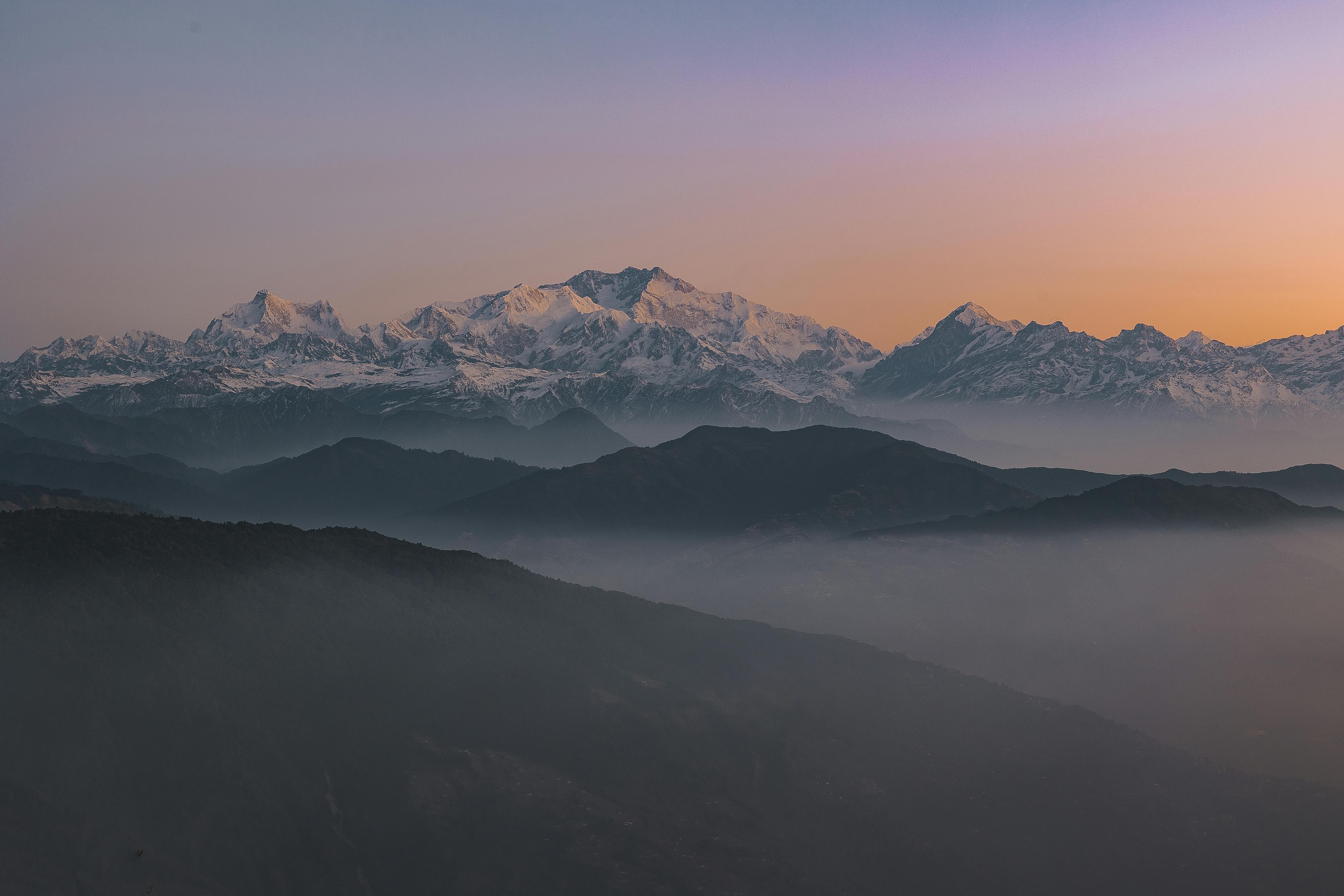
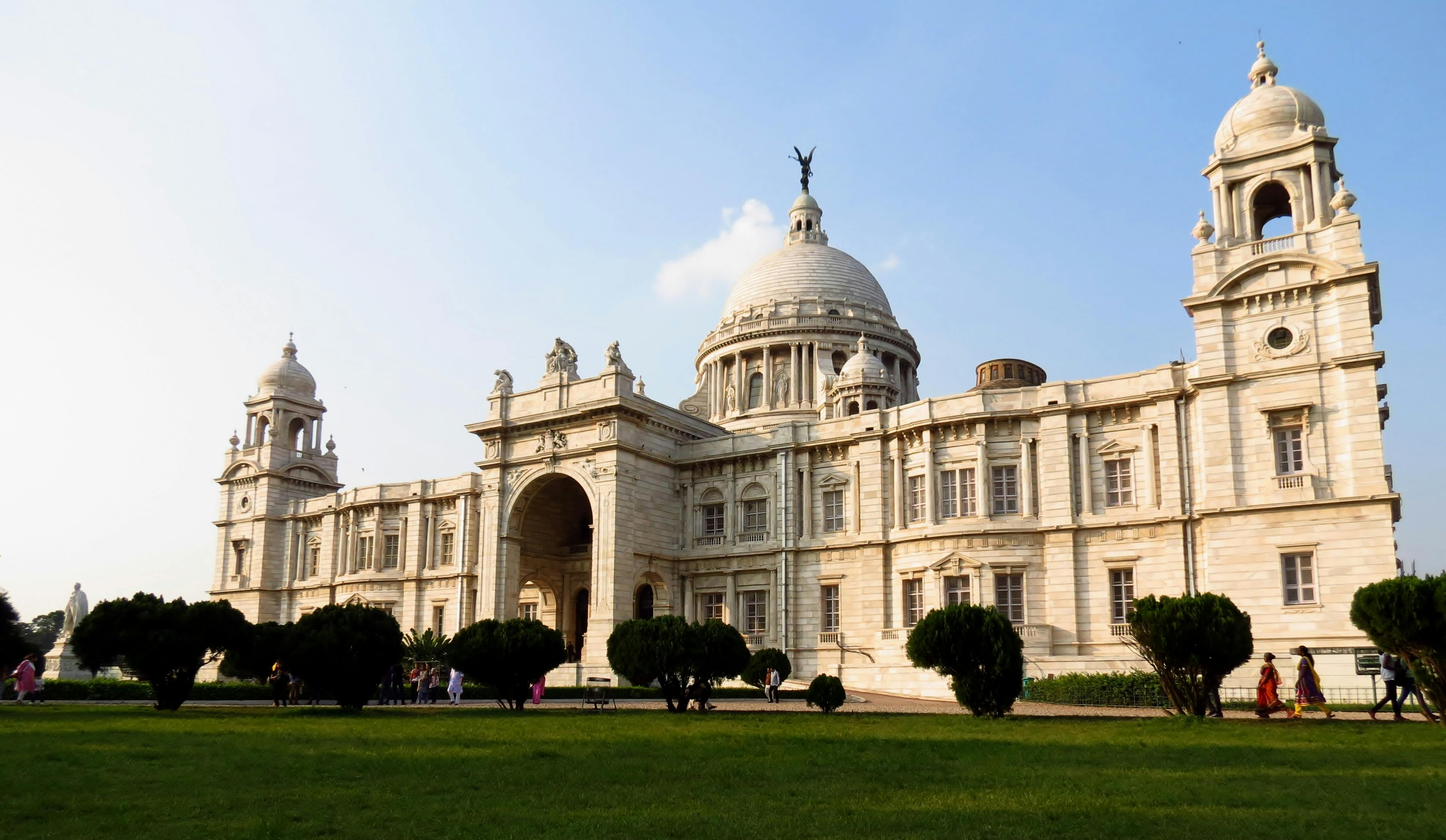
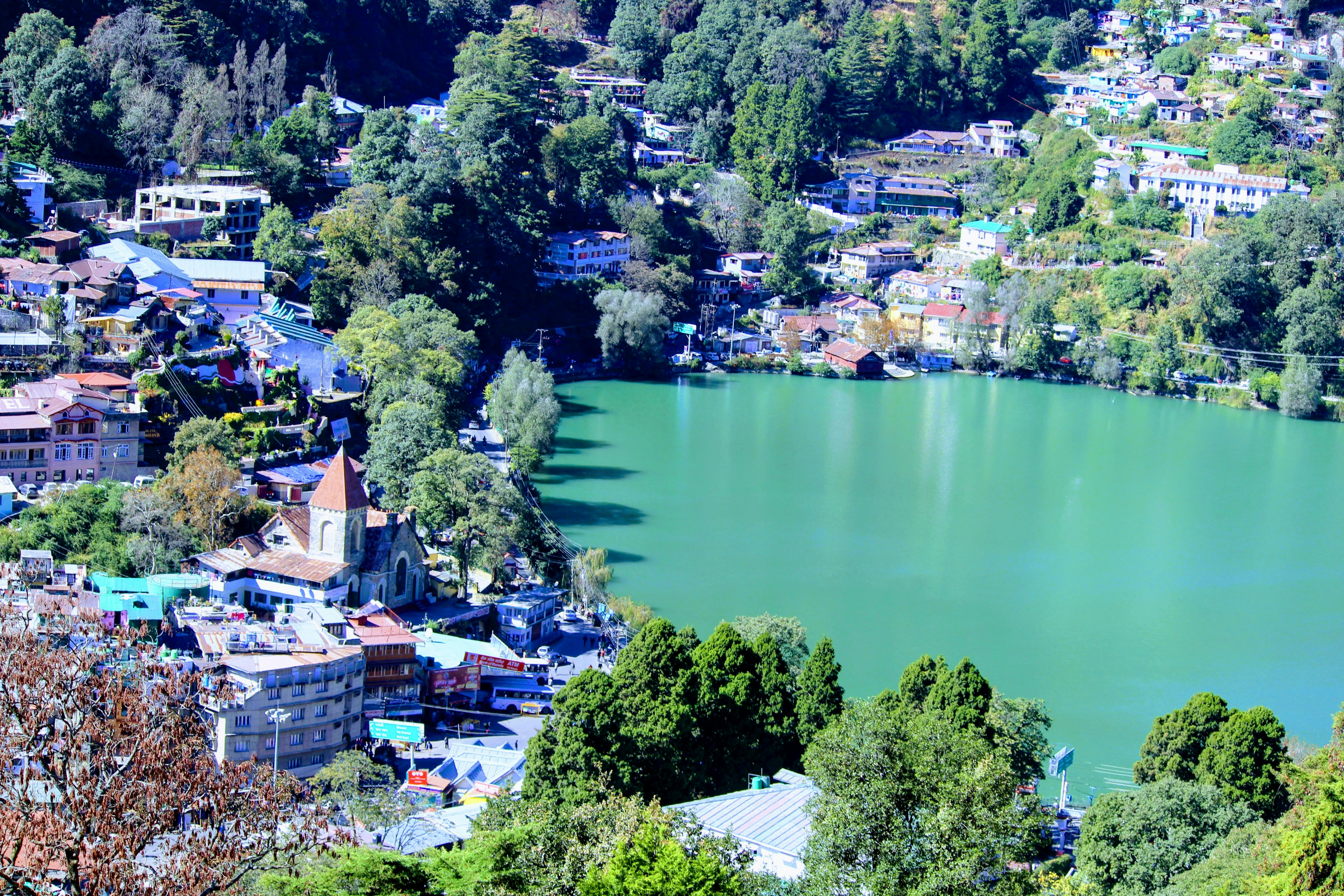

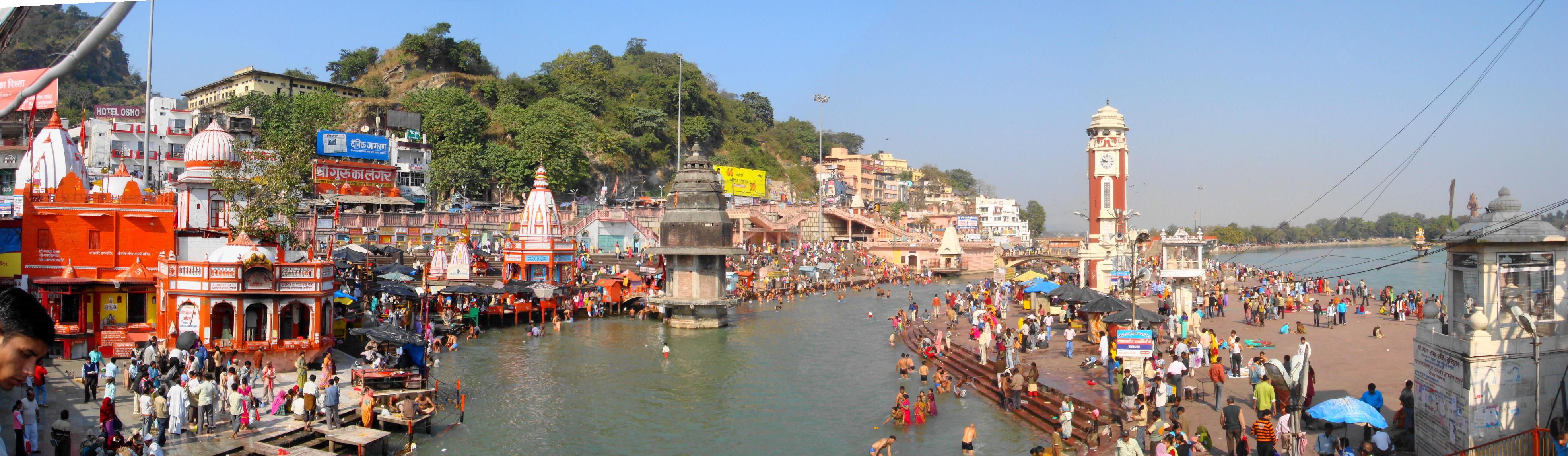
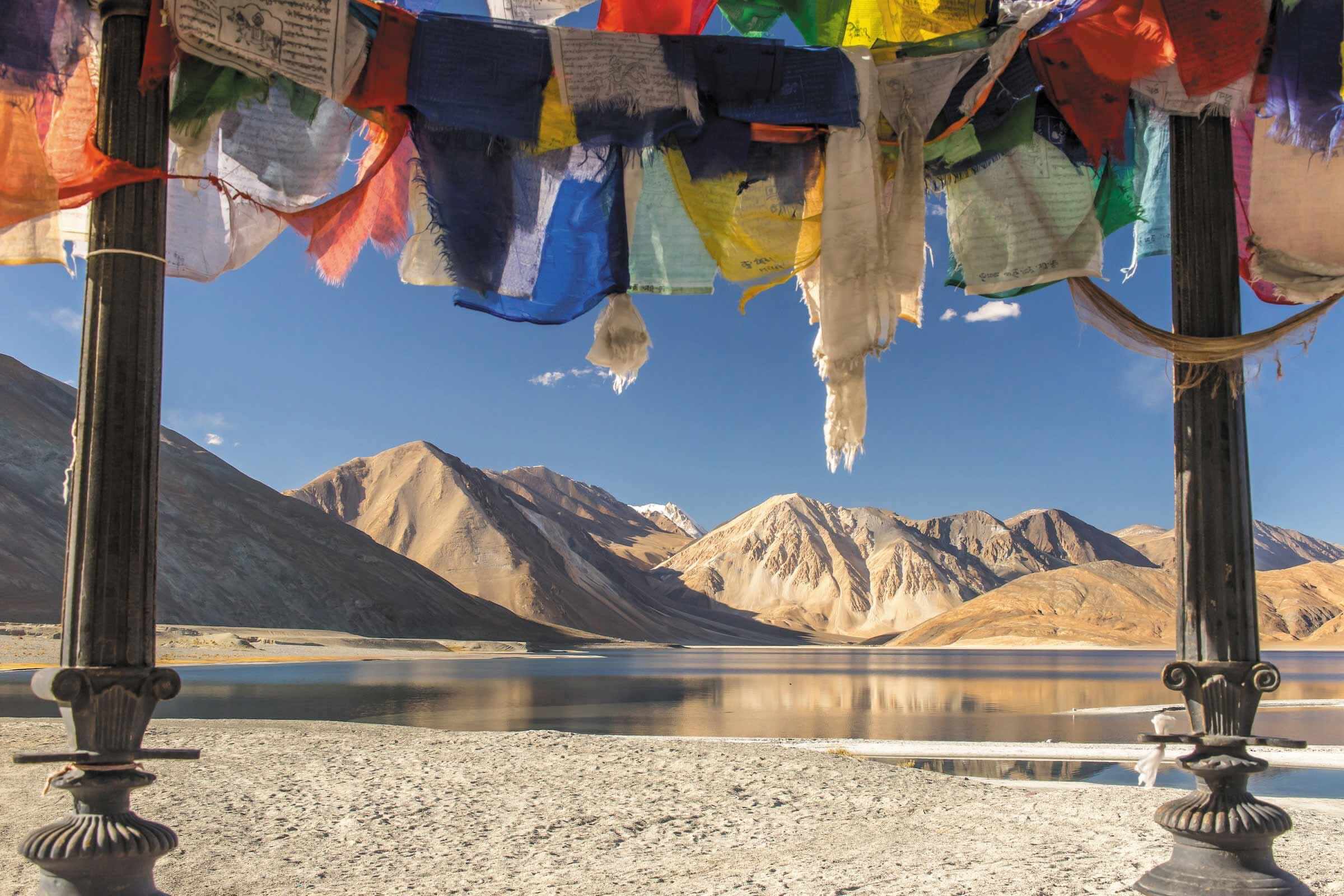
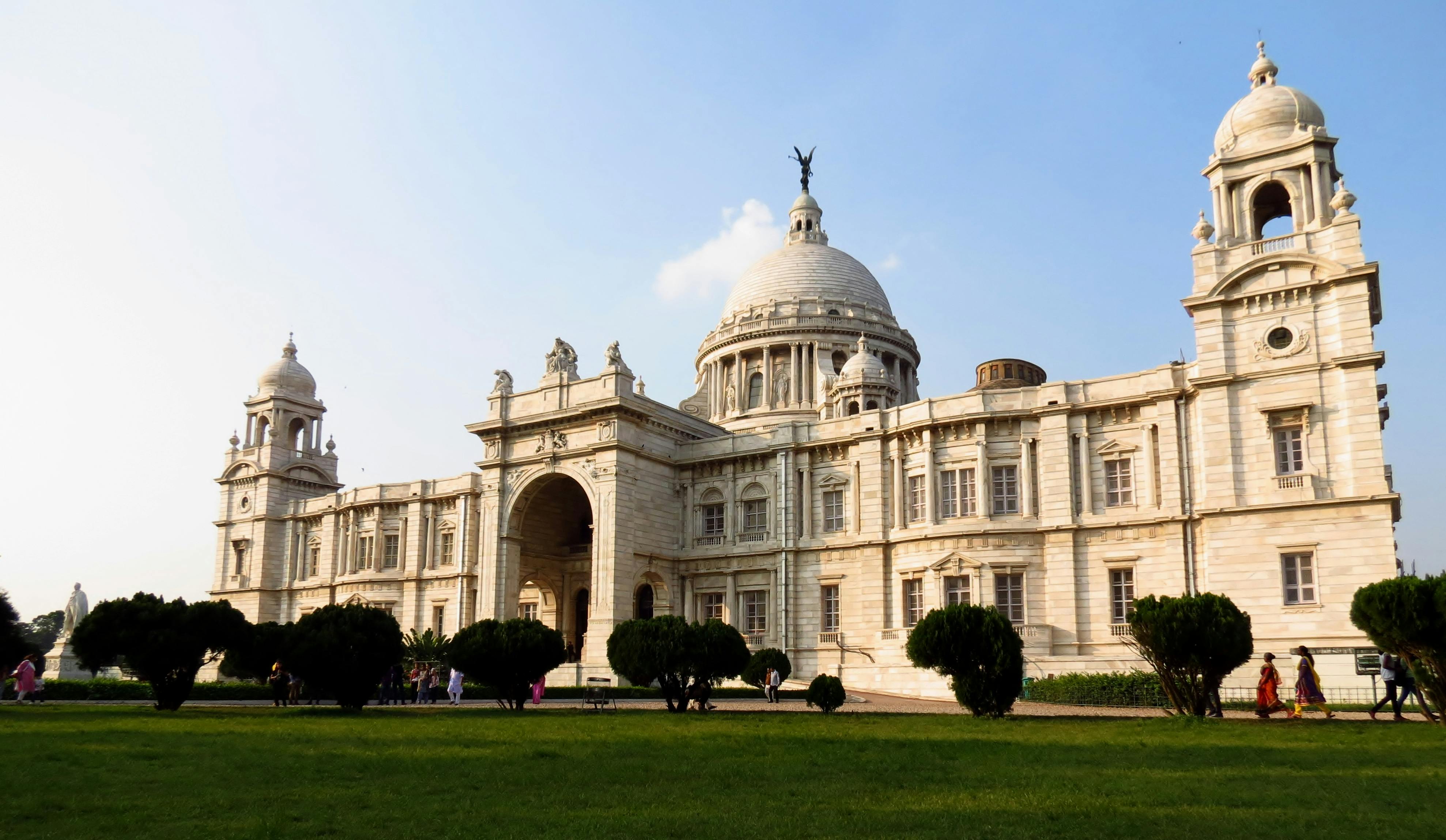
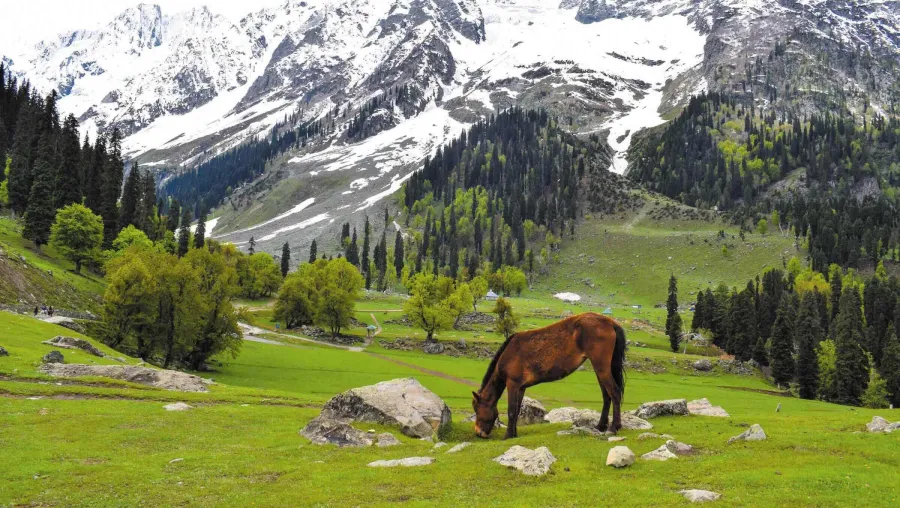
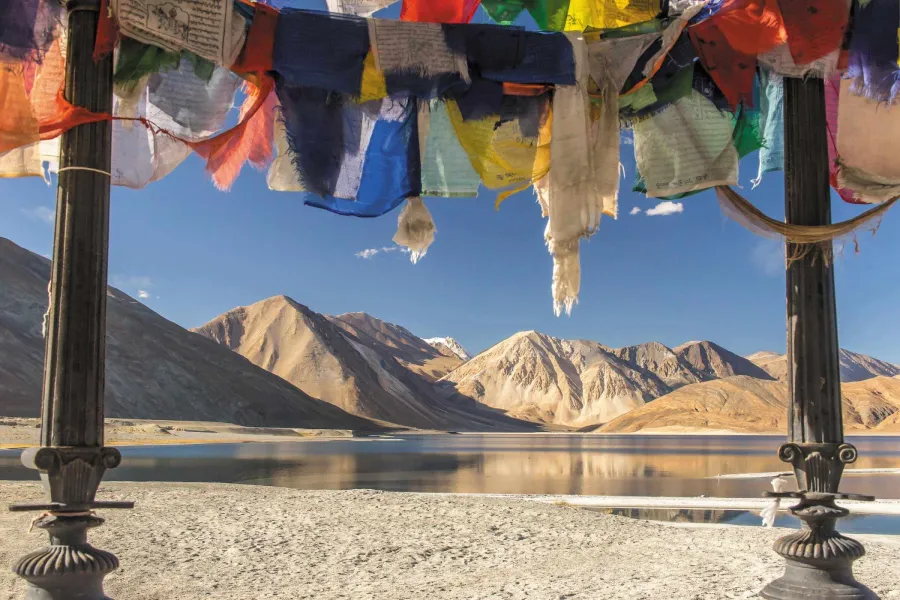
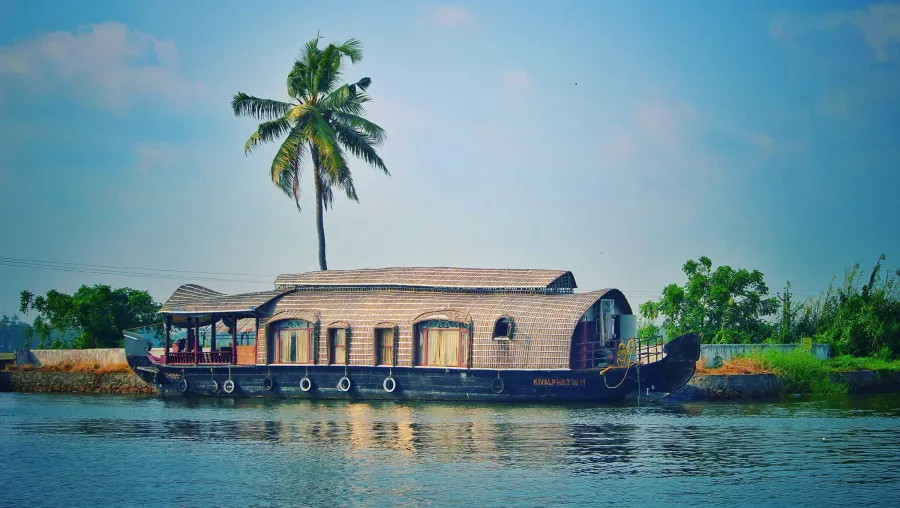
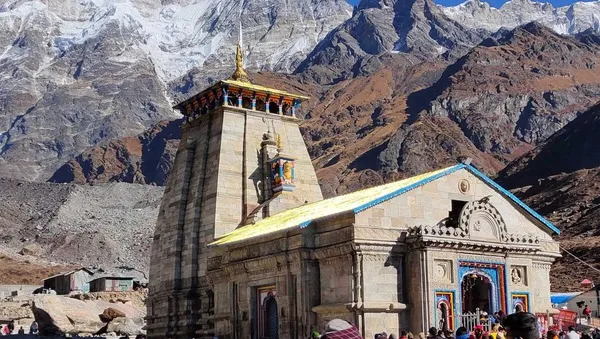
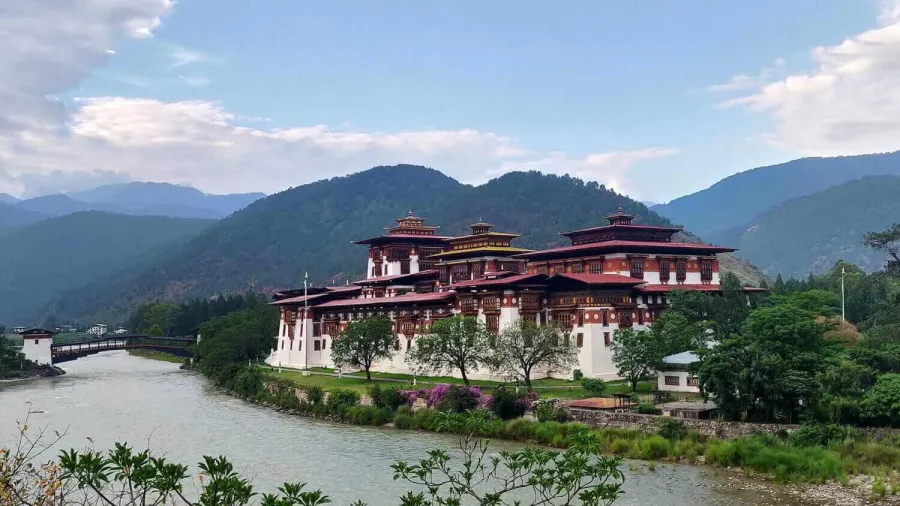
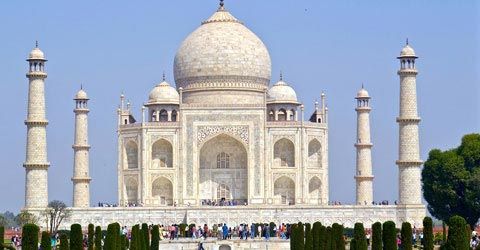
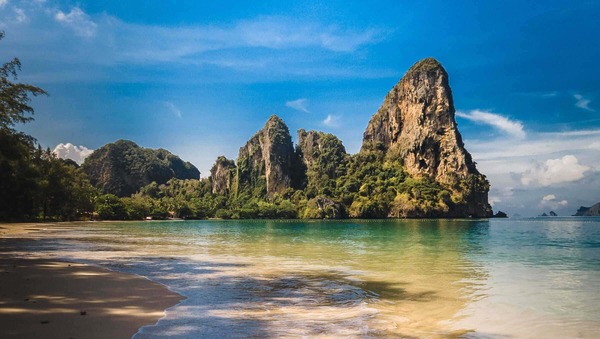
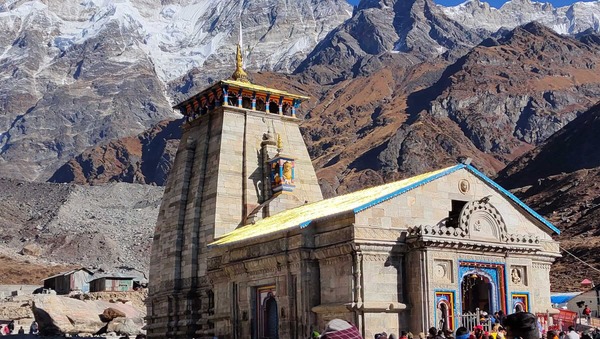
Enlite Yourself offers package tours across North, South, East, West, Central and North East India and abroad, with planned itineraries, cities and sightseeing spots.
Handpicked experiences across India and around the world
Donec laoreet eu purus eu viverra. Vestibulum sed convallis massa, eu aliquet massa. Suspendisse lacinia rutrum tincidunt. Integer id erat porta, convallis tortor.

Mark Henry
Donec laoreet eu purus eu viverra. Vestibulum sed convallis massa, eu aliquet massa. Suspendisse lacinia rutrum tincidunt. Integer id erat porta, convallis tortor.
Mark Henry
Donec laoreet eu purus eu viverra. Vestibulum sed convallis massa, eu aliquet massa. Suspendisse lacinia rutrum tincidunt. Integer id erat porta, convallis tortor.
Mark Henry
it awsome

shouvik
Handpicked journeys departing soon
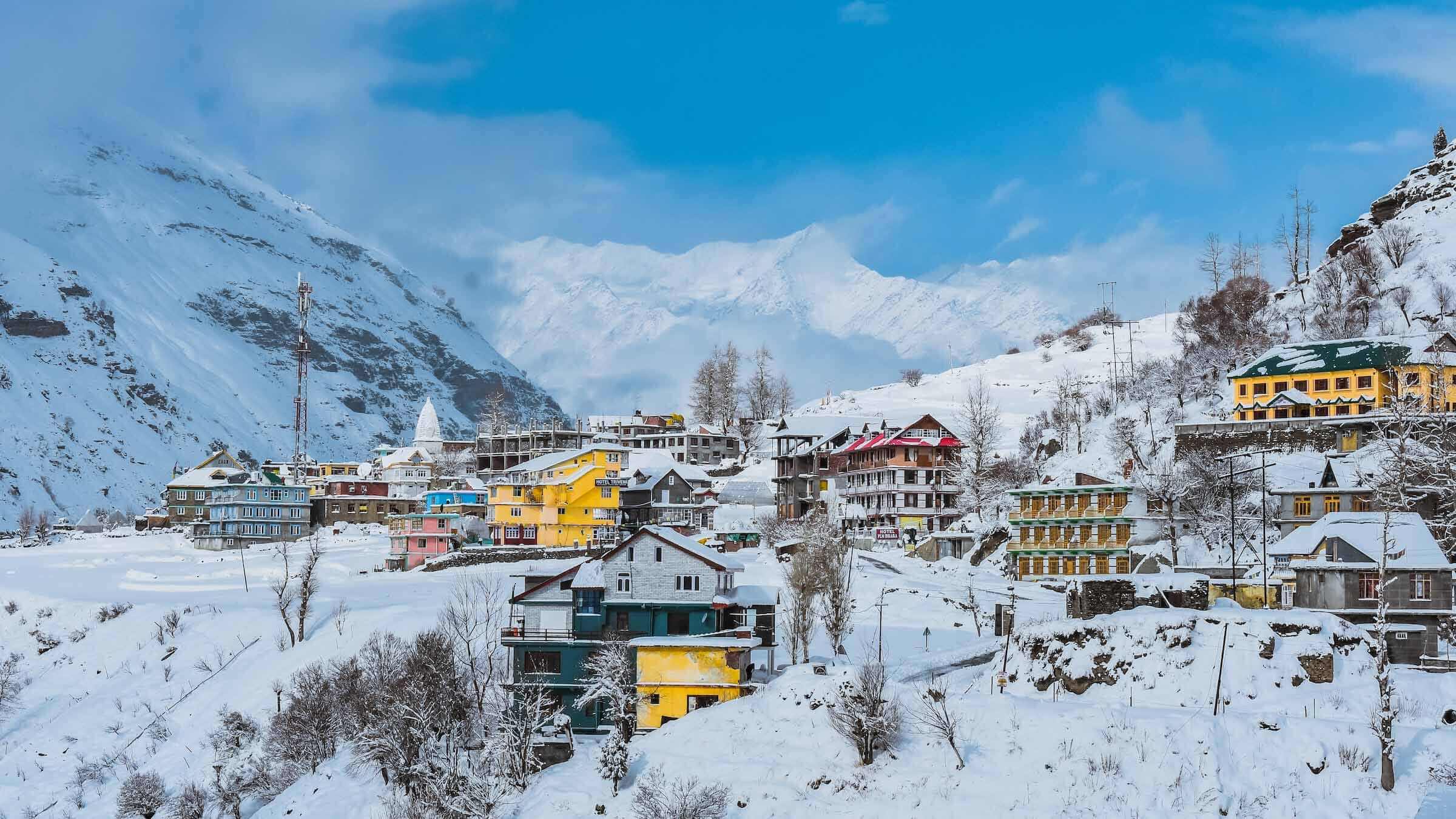

Enliteyourself offers a wide range of services to cater to the needs of travelers, from the first plan to the trip back home.
Explore Off Beat Destination









Explore Off Beat Destination
Your comforts is our priority.
Your preferred location is our final package priority.
Your travel criteria is our first precedence.
Trusted crowne blindly and enjoy your terminus.